

Can't Hear Your Inner Voice? Here's Why
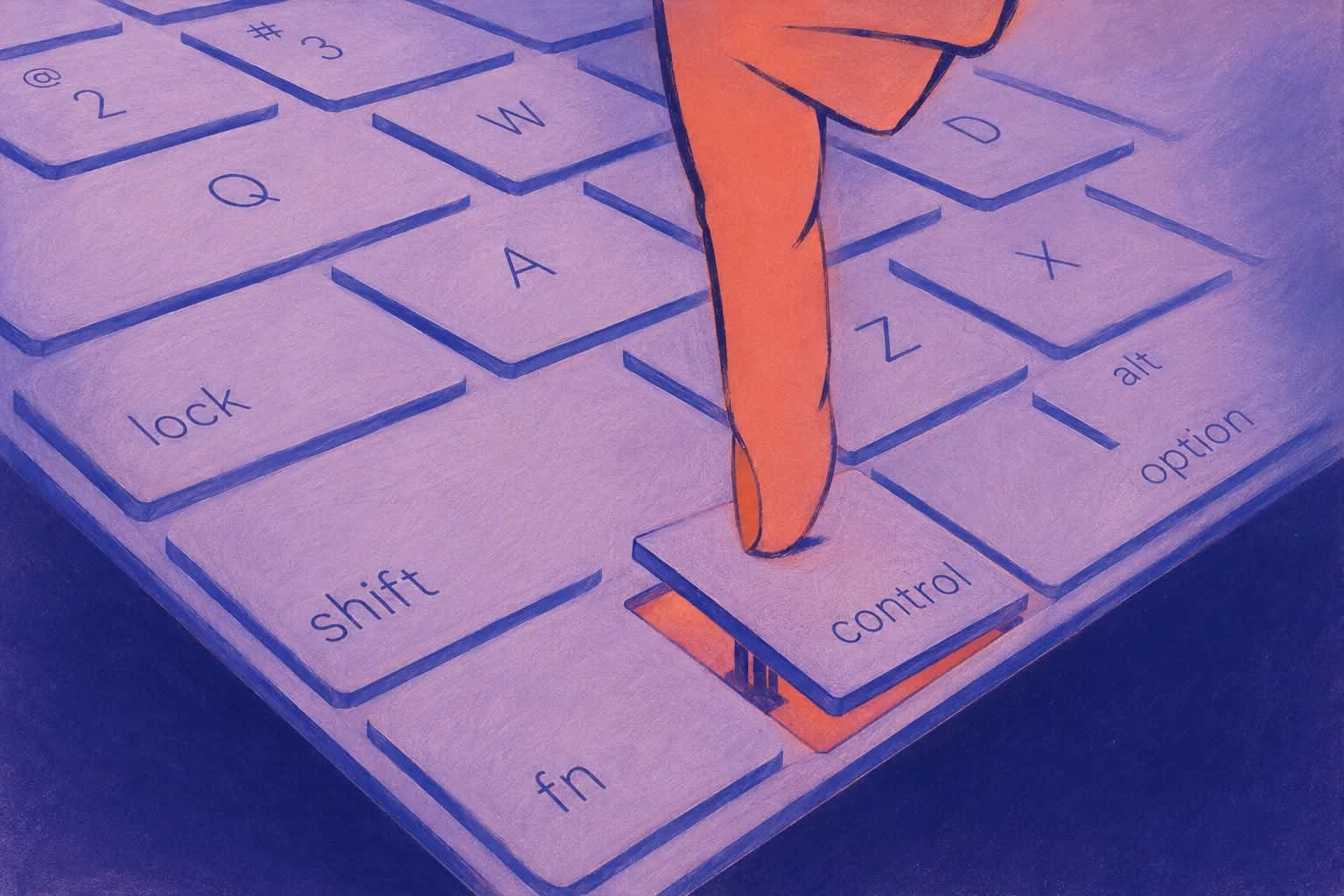
Have you ever sat down and tried to figure out what you really want...
Only to find yourself overwhelmed by opinions, expectations, worries, responsibilities, and endless mental noise?
Maybe you've asked yourself:
"What should I do?"
"What do I want?"
"What feels right?"
And instead of clarity, you feel even more confused.
If you've been wondering how to trust myself again, you're not alone. Many people go through seasons where their own wants, needs, feelings, and intuition become difficult to hear. At Intima Couples and Sex Therapy in Lakewood, Colorado, we often remind clients that struggling to hear yourself doesn't necessarily mean you don't know yourself.
Your inner voice may not be missing.
It may simply be getting drowned out.
The encouraging news is that self-trust can be rebuilt—with curiosity, emotional safety, and enough space to begin listening inward again.
Why I Can't Hear My Inner Voice
When people wonder why I can't hear my inner voice, they often assume they need to figure themselves out.
They might say:
"I don't know what I want."
"I second-guess every decision."
"I don't trust my judgment anymore."
"I need someone else to tell me what to do."
"I can't tell what I actually feel."
Many people assume they don't have the answers.
But that isn't always what's happening.
Your voice is still there.
It's simply competing with many other voices.
The voice of fear.
The voice of responsibility.
The voice of past experiences.
The voice of family expectations.
The voice of social media.
The voice of what everyone else thinks you should do.
When all of those voices are speaking at once, your own can become much more difficult to recognize.
Not because your voice isn't important.
But because there's so much noise surrounding it.
Why It Can Be So Difficult to Listen to Yourself
We live in a world that rarely gives us silence.
From the moment we wake up, we're taking something in.
Messages.
Emails.
Music.
Podcasts.
Videos.
News.
Notifications.
Work.
Responsibilities.
Distractions.
None of these things are inherently bad.
But over time, constant input can leave very little room for reflection.
We become experts at listening outward.
Yet we rarely create opportunities to listen inward.
If you've been feeling disconnected from yourself, it may not mean you've lost your sense of who you are.
It may simply mean you've had very little space to hear yourself.
Sometimes the Loudest Noise Is Internal
Not all noise comes from the world around us.
Sometimes it comes from within.
Overthinking.
Self-criticism.
Second-guessing.
Trying to predict every possible outcome.
Trying to avoid making a mistake.
Trying to make the perfect decision.
When this happens, we can mistake mental activity for self-awareness.
But they're not always the same thing.
Thinking about yourself isn't necessarily the same as listening to yourself.
Sometimes our minds become so focused on finding certainty that we lose touch with the quieter information underneath.
Feelings.
Curiosity.
Desire.
Longing.
Discomfort.
Relief.
These experiences don't always give us an immediate answer.
But they can help us understand ourselves.
How to Hear Your Inner Voice
If you've been wondering how to hear your inner voice, it helps to understand that your inner voice may not sound like a voice at all.
Sometimes it feels more like:
A sense of relief when you imagine one possibility.
Tension when something doesn't feel right.
Curiosity that keeps returning.
A feeling of expansion.
A feeling of contraction.
A quiet sense of knowing that you can't fully explain.
Your inner wisdom is often subtle.
And when life is loud, subtle things are easy to miss.
Learning to trust your intuition doesn't mean following every feeling without question.
It means becoming curious about what your internal experience may be communicating.
Pause for a moment and ask yourself:
What am I noticing right now—not what should I feel, but what am I actually noticing?
Sometimes that's where listening begins.
How to Slow Down and Listen to Yourself
If you're learning how to slow down and listen to yourself, you don't need to completely change your life.
Instead, start with small moments of space.
You might try:
Journaling without trying to reach a conclusion.
Sitting quietly with your morning coffee.
Taking a walk without headphones.
Spending a few minutes without your phone.
Practicing meditation.
Pausing before asking someone else what they think.
Noticing your feelings before trying to explain them.
These practices aren't about finding the perfect answer.
They're about creating enough quiet to notice yourself again.
And sometimes learning to listen also means allowing yourself to say:
"I don't know yet."
There can be wisdom in not forcing clarity before you're ready.
How to Trust Myself Again
Many people searching for how to trust myself again imagine self-trust as finally becoming confident enough to always know what to do.
But self-trust doesn't mean having all the answers.
It's a relationship.
You strengthen that relationship each time you notice how you feel.
Each time you acknowledge what you need.
Each time you become curious instead of critical.
Each time you listen to yourself before automatically looking outside yourself for reassurance.
And each time you allow your experience to matter—even when you're uncertain about what comes next.
Over time, these small moments can strengthen self-connection and make your own voice easier to recognize.
You don't have to become perfectly certain.
You can simply begin learning to listen.
Internal Resources for Healing and Support
If this article resonated with you, you don't have to navigate this process alone. At Intima Couples and Sex Therapy, we provide trauma-informed, evidence-based therapy that helps individuals develop greater self-awareness, explore emotional experiences, and strengthen their relationship with themselves.
Our Therapy Services
Individual Therapy – Explore the experiences and patterns that may make it difficult to hear yourself while developing greater emotional awareness and self-trust.
Couples Therapy – Explore emotional connection, communication, relationship patterns, and how you experience yourself within your relationships.
Ketamine-Assisted Psychotherapy (KAP) – For some individuals, Ketamine-Assisted Psychotherapy offers an opportunity to support deeper emotional exploration when thoughtfully integrated with psychotherapy.
A gentle companion for rebuilding self-awareness and reconnecting with your inner voice.
If you've been asking yourself why you feel disconnected from yourself, this free workbook offers a compassionate place to begin.
Sometimes we don't lose ourselves.
We simply lose touch with ourselves after years of stress, caregiving, trauma, or constantly meeting life's demands.
Reconnecting doesn't happen through pressure.
It happens through curiosity.
Through creating enough emotional safety to listen inward again.
This workbook was created to accompany the Journey Back to Yourself series and includes gentle exercises designed to help you reconnect with yourself at your own pace.
Maybe you've been moving through life on autopilot.
Maybe you're taking care of everyone else and have lost touch with what you need.
Maybe you know something feels off, but you can't quite put words to it.
If you've been wondering how to reconnect with yourself or why you don't feel like yourself anymore, you're not alone.
This free workbook will help you slow down, reconnect with your inner world, and begin building a deeper relationship with yourself through reflection, self-awareness, and self-compassion.
You can also download our complimentary booklet, Creating Safety for Insight, to continue exploring emotional safety, nervous system regulation, and healing.
How to Trust Myself Again in Lakewood, Colorado
If you've been wondering how to trust myself again, remember that struggling to hear yourself doesn't mean you've lost your inner voice.
You may simply be surrounded by more noise than your inner voice can compete with right now.
At Intima Couples and Sex Therapy in Lakewood, Colorado, we help individuals explore how emotional safety, self-awareness, trauma-informed therapy, and nervous system regulation can support deeper self-connection and self-trust.
You don't have to search harder.
You don't have to force clarity.
You don't have to have all the answers.
Sometimes learning how to reconnect with yourself begins by creating enough space to listen.
Your inner voice hasn't disappeared.
It may simply be waiting for a quieter moment to be heard.